Networking is vital for professional growth, professional development and long-term success. In fact, 85% of the positions are filled through networking, per a 2022 LinkedIn poll. Thus, networking can open up a plethora of options, whether you’re looking for a career or establishing contacts in the sector.
Networking is sometimes disregarded in professional advancement, but it comes with numerous fantastic perks that you don’t deserve to miss out on. In this post, we’ll discuss the many advantages of networking and offer helpful advice to help you create lasting relationships.
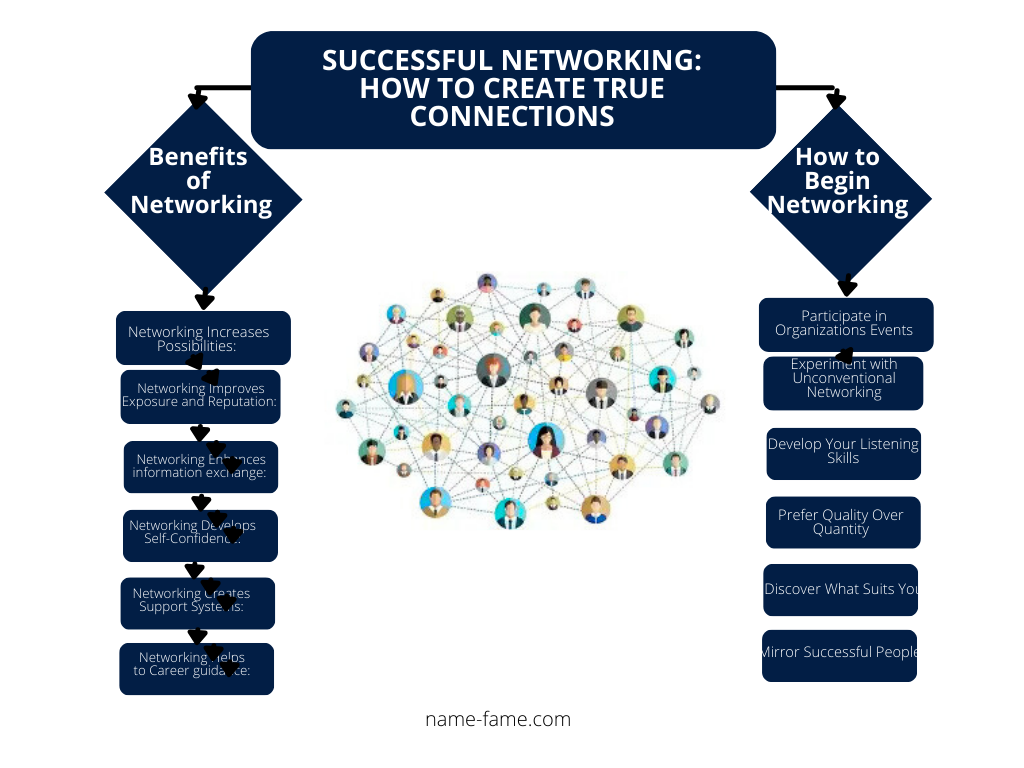
Benefits of Networking
Networking Increases Possibilities:
You are broadening your prospects through networking. External connection gives you access to options that may not be reachable through your employment. You increase your chances of discovering prospects for things like new employment roles, partnerships, and business initiatives when you establish relationships with individuals from a variety of industries, backgrounds, and roles.
SEE ALSO: 8 Rules for Becoming a Highly successful Millionaire.
Networking Improves Your Exposure and Reputation:
You must put yourself out there if you want to make an impact in your field. You may demonstrate your value, accomplishments, and knowledge by networking with others. By presenting what you’ve got to offer in a work environment and sharing your own experience, you may dramatically boost your exposure and credibility within your field.
Networking Develops Self-Confidence:
There’s no doubting that more that you approach new people and develop new connections, the more you’ll witness a rise in your self-confidence. This plays a crucial part in things like interpersonal abilities like as communication, which eventually assist you traverse your career journey.
Networking Enhances information exchange:
Making connections with other people fosters a platform for information exchange, which allows you to acquire fresh perspectives and skills. When you invest the time to engage with specialists in your field, you can understand the newest industry trends, obtain new views and benefit from their own experiences. This helps you develop new ideas and make better decisions in addition to honing your skills.
Networking Creates Support Systems:
It’s crucial to create a support system for your career. When you network, you’re developing contacts with different professionals who can offer insight, motivation, and inspiration when you most need it.
The people you form relationships with can support you emotionally during difficult times as well as assist you in overcoming obstacles.
Networking Helps to Career guidance:
When you develop relationships with persons who have higher experience and business wisdom than you do, then you can obtain career guidance. You will find out the way they reached where they are and get their best advise for conquering any challenges.
Grants for Networking Access to Resources:
Through networking, you can gain access to new resources that you would not have had before. When you create strong relationships, you gain access to items such as specialty information, mentoring courses or online communities.
The more resources you’ve got to learn, the higher your chances are of advancing and moving your profession forward.
SEE ALSO: Daily Mantras to Quiet the Inner Critic
Long-Lasting Friendships Can Be Made Through Networking:
Long-lasting personal ties can frequently be formed through networking, even though not all connections may become friendships and could always remain professional.
By joining a network, you meet with like-minded people who frequently have similar aims and ambitions, which can lead to meaningful friendship.
Networking gives you Different Perspectives:
When you build relationships with other individuals in comparable roles or sectors, you’re able to obtain different perspectives. These newest relationships can observe circumstances with new eyes, offering input and ideas on how they would handle issues if they found themselves in your shoes. They may assist you see things in a fresh perspective and suggest new approaches to overcome hurdles.
How to Begin Networking
Networking isn’t simply about swapping business cards—it’s about creating genuine relationships. Here are some terrific ways to begin started:
Participate in Organizations and Industry Events
Attending events or joining groups related to your industry, where you’ll meet other professionals with similar interests, is one of the best methods to network.
Experiment with Unconventional Networking
Try participating in casual networking events—such as walking or pickleball—that encourage camaraderie and genuine talks.
Rehearse Your Pitch
Begin with the introduction of yourself with a nice, brief statement on who you are, what you like to do and the things you have to offer. Practice with a close friend or coworker, or in front of a mirror.
Develop Your Listening Skills
Build connection by asking open-ended inquiries, listening intently and showing a genuine curiosity in others. If you’re new to networking, these easy steps can help make the process less intimidating.
Prefer Quality Over Quantity
Instead of trying to meet as many individuals as possible, stick to selecting a few well-aligned experts and engage with them. This can help you build more authentic, permanent, mutually beneficial connections.
Discover What Suits You
The finest outcomes come from networking in a style that fits your personality. For example, socializing as an introvert might be tough, but concentrating on more personal events in informal settings can help take the edge off.
SEE ALSO: 10 Things to Keep in Mind When Others Don’t Support You
Mirror Successful People
Learn the way successful professionals network. Gaining insight from others’ successes—as well as failures—can help you advance faster and avoid common traps.
Essential Networking Skills
Mastering the correct techniques for networking will allow you start meaningful discussions and build enduring connections. Focus on refining these important abilities:
Clear Communication
It’s essential to communicate well. Whenever you speak about yourself, be precise, authoritative and get to the point. Briefly describe your background and your contributions. This aids people in comprehending your objectives and principles.
Active Listening
Active observing—concentrating on, internalizing and intelligently reacting to an individual’s message without considering your own—allows you genuinely comprehend their desires, needs and aspirations.
This establishes the groundwork for a genuine value-driven exchange and creates solid, sympathetic bonds. Pay careful attention to exactly what people say and let your thirst for knowledge lead the path.
On-time Follow-Up
You stay on the radar of your contacts when you follow up with them. An easy message or email thanking them for giving their time and underlining key points from your chat can create a lasting impact.
Conclusion,
In summary, networking is a very effective strategy that can help you advance both personally and professionally. You must take use of these advantages if you wish to advance and succeed professionally.